
Windows 11 & 10 · Scan before recovery · Preview recoverable files where supported
Important: Stop using the SanDisk card after data loss. Taking new photos, recording videos, formatting the card again, or saving new files may overwrite data that could still be recoverable.
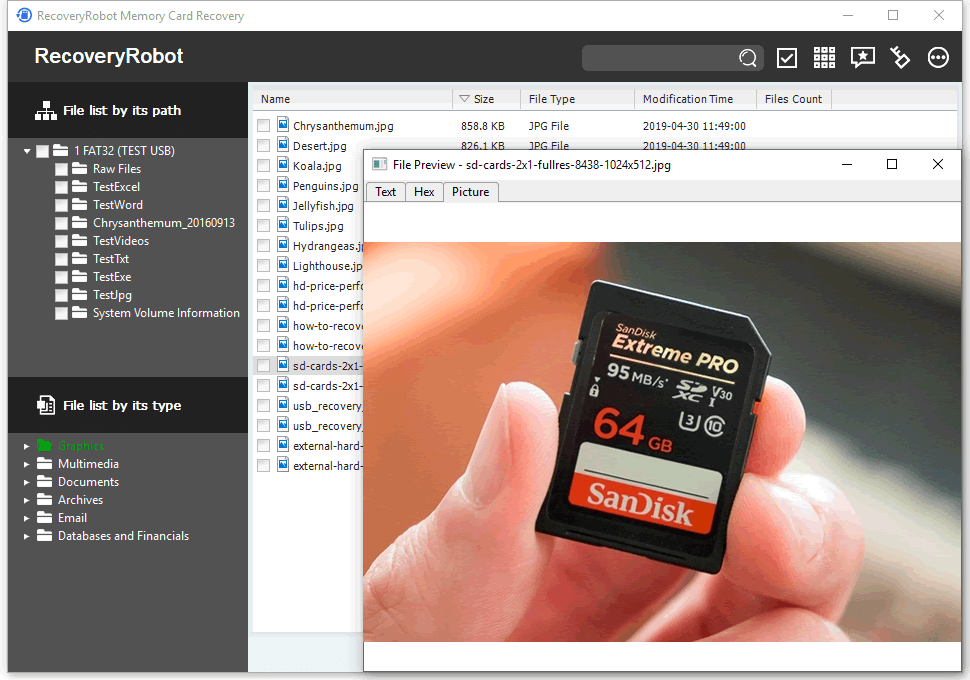
Can Data Be Recovered from a SanDisk Card?
In many cases, yes—especially if the card is still detected by Windows and you stopped using it soon after the data was lost.
Recovery Is More Likely When
- Files were accidentally deleted
- The card was formatted but not used afterward
- Windows still detects the card
- The card appears as RAW or inaccessible but is still readable by the computer
- No new photos, videos, or files have been saved to the card
Recovery May Be More Difficult When
- New data has already overwritten the lost files
- The card has been reformatted and reused
- The card repeatedly disconnects or reports the wrong capacity
- Windows cannot detect the card at all
- The card has physical, electrical, or controller damage
The Most Important Step: Stop Using the Card
Do not take new photos, record videos, format the card again, or copy files onto it.
Every write to the card can reduce the chance of recovering your original data.
If Windows can still detect the SanDisk card, scanning it is the safest way to check what may still be recoverable.
Free Download for WindowsHow to Recover Files from a SanDisk Card
RecoveryRobot is designed to make the recovery process straightforward: connect the card, scan it, then recover the files you need.
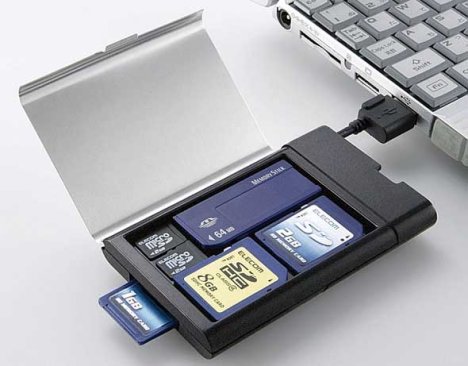
1. Connect the SanDisk Card
Insert the SanDisk SD or microSD card into your Windows computer using a built-in card reader, USB card reader, or compatible adapter.
Make sure the card appears in Windows before starting the scan.
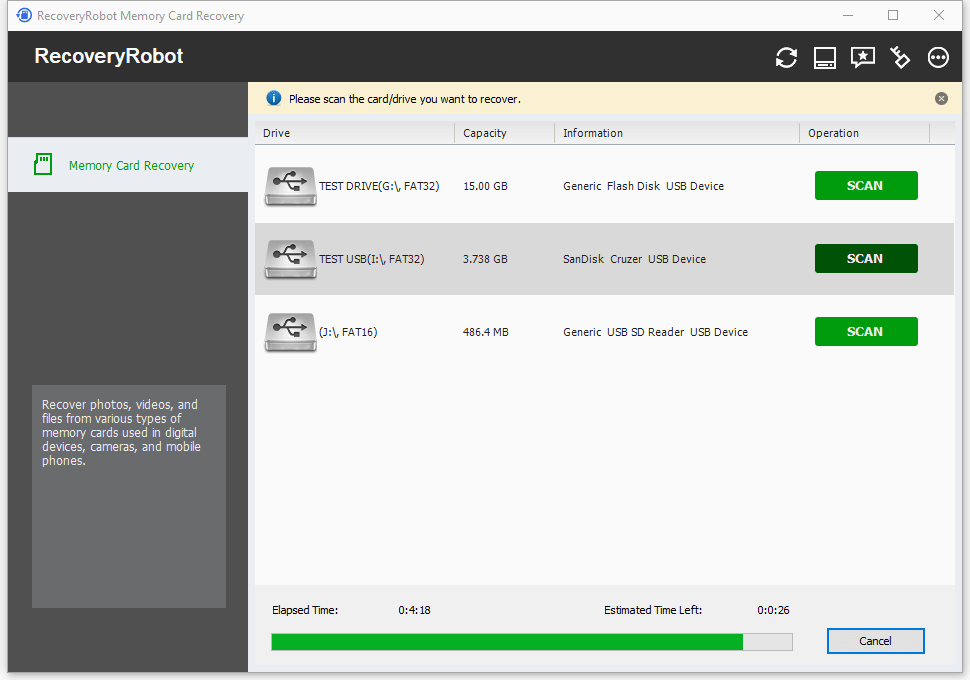
2. Scan the Card
Open RecoveryRobot and select the SanDisk card.
The software scans the card for deleted, formatted, lost, or inaccessible files that may still be recoverable.
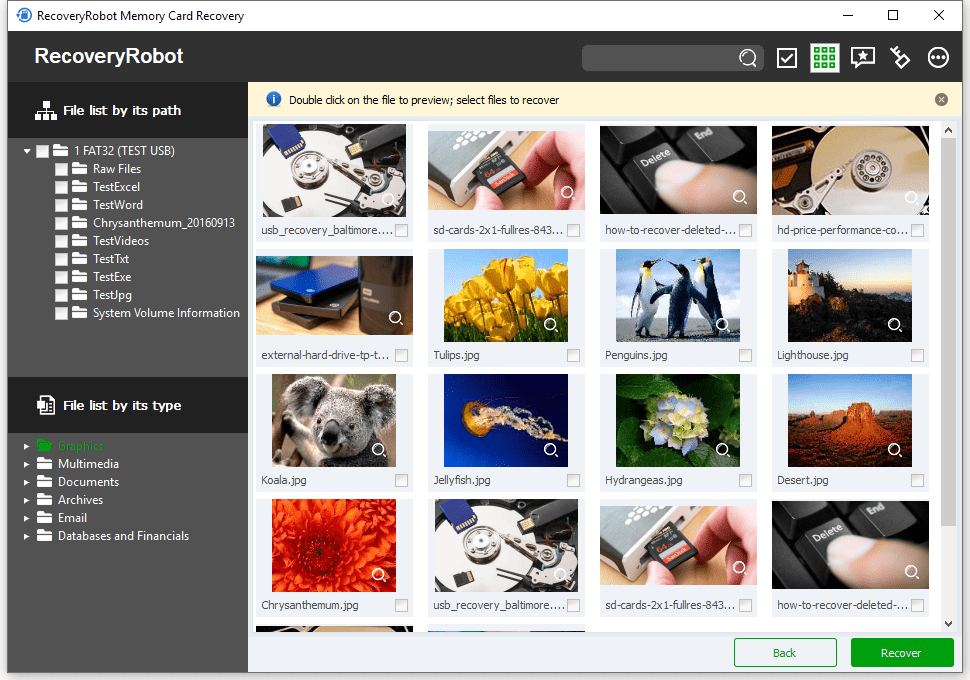
3. Preview and Recover
Review the files found by the scan, preview supported file types, and select the files you want to recover.
Save recovered files to your computer or another storage device—not back to the SanDisk card you are recovering from.
Free Download for WindowsScan first · Preview supported files · Recover only what you need
What Happened to Your SanDisk Card?
Choose the situation that best matches what happened to your card.
I Accidentally Deleted Files
Recover photos, videos, and other files deleted from a SanDisk SD card or microSD card.
I Formatted the Card
Recover files lost after accidentally formatting a SanDisk memory card, provided the original data has not been overwritten.
The Card Is RAW or Inaccessible
Windows detects the SanDisk card, but you cannot open it normally, or the file system appears as RAW.
Recover from an Inaccessible Card →
Photos or Videos Disappeared
Files are missing from the card even though you did not intentionally delete or format them.
Windows Asks Me to Format the Card
If Windows says the card must be formatted before use, avoid formatting it if you still need the files.
I’m Not Sure What Happened
If Windows can still detect the card but you are unsure why the files are missing, start with a scan to see what may still be recoverable.
Scan the SanDisk Card →Which SanDisk Cards Can RecoveryRobot Scan?
RecoveryRobot can scan common SanDisk memory cards that are recognized by Windows through a built-in card reader or an external USB card reader.
SanDisk SD Cards
Recover files from standard SanDisk SD cards used in cameras, camcorders, laptops, and other devices.
SanDisk SDHC Cards
Scan SanDisk SDHC cards commonly used for photos, videos, and other media files.
SanDisk SDXC Cards
Recover data from higher-capacity SanDisk SDXC cards used in cameras, drones, video equipment, and other supported devices.
SanDisk microSD Cards
Recover files from SanDisk microSD cards used in phones, action cameras, drones, dashcams, and other devices.
SanDisk microSDHC Cards
Scan SanDisk microSDHC cards for deleted, formatted, or inaccessible files.
SanDisk microSDXC Cards
Recover photos, videos, and other files from high-capacity SanDisk microSDXC cards.
The card must be detectable by Windows for RecoveryRobot to scan it.
If Windows does not detect the card at all, the problem may involve the card reader, adapter, controller, or physical hardware rather than the file system.
Scan the SanDisk CardDeleted, Formatted, or Corrupted SanDisk Card?
The right recovery approach depends on what happened to the card. These situations may look similar, but they affect your data in different ways.
Deleted Files
If you accidentally deleted photos, videos, or documents, the file entries may be removed while some of the underlying data still remains on the card.
Recovery is usually more promising when you stop using the card immediately and no new data has been written.
Recover Deleted Files →
Formatted Card
Formatting rebuilds the file system and can make existing files disappear from normal view.
Recovery may still be possible, especially after a quick format, provided the original data has not been overwritten.
Recover a Formatted SanDisk Card →
Corrupted or RAW Card
A corrupted card may appear as RAW, become inaccessible, show file-system errors, or prompt Windows to format it.
If Windows still detects the card, recovery software may be able to scan the storage before you attempt repairs or formatting.
Recover from a Corrupted Card →
Not Sure Which Problem You Have?
If Windows recognizes the card but you cannot access your files normally, start with a scan rather than making additional changes to the card.
Scan the SanDisk CardWhat Files Can Be Recovered from a SanDisk Card?
If the original data has not been overwritten, RecoveryRobot may be able to locate many common file types stored on SanDisk SD and microSD cards.
Photos
Recover deleted or lost photos from cameras, phones, drones, dashcams, and other devices that use SanDisk cards.
Examples include JPEG, PNG, TIFF, BMP, and supported camera RAW formats.
Videos
Recover video files lost after deletion, formatting, or card errors.
Examples include MP4, MOV, AVI, MKV, and other supported video formats.
Camera RAW Files
Recover supported RAW image files created by digital cameras when the underlying data is still intact.
Documents
Recover documents and other files copied or saved to the card.
Examples include DOC/DOCX, XLS/XLSX, PPT/PPTX, PDF, and TXT.
Audio
Recover music, recordings, and other supported audio files stored on the card.
Examples include MP3, WAV, WMA, and AAC.
Other Supported Files
RecoveryRobot can also scan for archives and other supported file types stored on the card.
Recovery results depend on the card's condition and whether the original data has been overwritten.
Scan the SanDisk CardWhen SanDisk Recovery Software May Not Help
Recovery software is designed for logical data loss. It may not work if the card has a physical or hardware-level failure.
Windows Cannot Detect the Card
If the SanDisk card does not appear in Windows at all, RecoveryRobot cannot scan it.
Try another card reader, USB port, or compatible adapter first to rule out a connection problem.
The Card Is Physically Damaged
Cracked cards, damaged contacts, water exposure, electrical damage, or controller failure may require professional recovery rather than software.
The Card Reports the Wrong Capacity
If a card suddenly shows an incorrect size or behaves unpredictably, the problem may involve the card controller or internal hardware.
The Lost Data Has Been Overwritten
If new photos, videos, or files have replaced the original data, those overwritten bytes cannot be restored by recovery software.
The Card Has Been Reused After Formatting
Continuing to use a formatted card can gradually overwrite the data you are trying to recover and reduce the chance of a successful scan.
If Windows still detects the card and it does not show signs of physical failure, a software scan is usually the best first step to check what may still be recoverable.
Scan the SanDisk Card
Free SanDisk Recovery vs. Full Version
You can download RecoveryRobot and scan your SanDisk SD or microSD card before deciding whether you need the full version.
Free Version
- Scan supported SanDisk memory cards
- Browse files found after the scan
- Preview supported photos, videos, and other files
- Recover up to 50 MB of data
Full Version
- Includes the same scanning and preview features
- Recover more than the 50 MB free limit
- No recovery-capacity limit after registration
Scan First, Decide Later
If you are unsure whether your SanDisk files can still be recovered, start with the free version.
Connect the card, run a scan, and review the results before deciding whether you need the full version.
Important: Save recovered files to your computer or another storage device—not back to the SanDisk card you are recovering from.
Trusted by RecoveryRobot Users






Submit your review | |
1 2 3 4 5 | |
Submit Cancel | |
this programm is perfect it saved my life and my memos
I have used this Application since last 4-5 years Multiple time. The results are amazing and recovered all data up to 80-85% accuracy. Highly recommended this Application to all users
really its a great programm it solved all the problems that i had when i deleted all my information and photos and memos
I have used this recovery program several times now, and I can truly say that it has saved me many hours of hard work that I would have had to start over and do again.
Excellent app for recovering lost images from a compact flash. It’s the best app.
SanDisk Recovery Software FAQ
Yes, in many cases. If the deleted data has not been overwritten, recovery software may still be able to locate the files.
Often, yes. Recovery is more likely if the card was formatted recently and has not been used to store new photos, videos, or files afterward.
Recover Files from Your SanDisk Card
Deleted photos, formatted the card, or can’t access your files normally? Stop using the SanDisk card and scan it before more data is written over the files you want to recover.
Scan the card · Preview supported files